
Single Wall Pipe Corrugator Wear Resistance: Body, Mould Blocks and Screw Materials
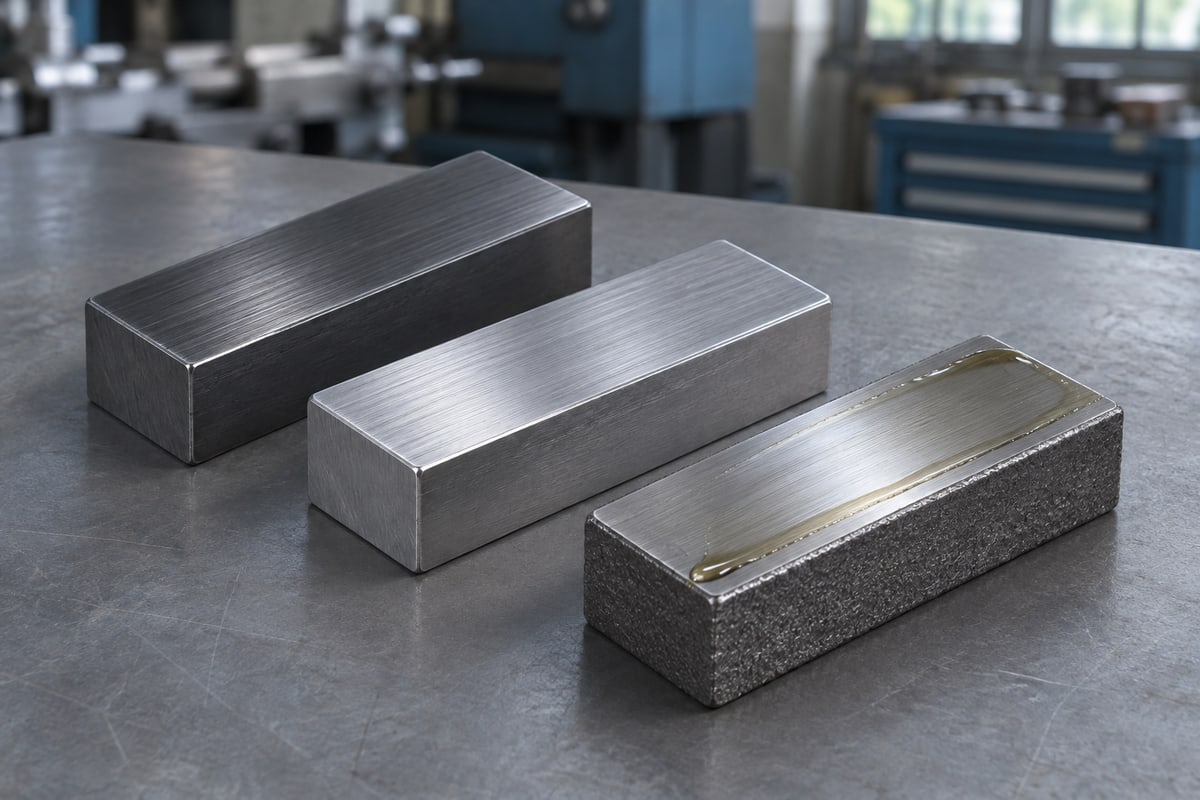
When buying a single-wall corrugated pipe line, speed and price are only part of the decision. The machine must still produce reliably years later. Body-track wear resistance, mould-block maintenance and a screw/barrel combination suited to your material all affect long-term operating costs.
Using Wings Plastic's high-speed, track-guided single wall corrugator with independent mould blocks, this article explains four key areas: mechanical contact, contact with plastic, replaceable parts and why materials and lubrication belong together.
1. Start by identifying where the machine wears
The mould blocks on this high-speed machine are independent. Gears and racks provide drive; guide tracks support and locate the blocks. The blocks circulate, pair up in the working section, separate at the outlet and return to the inlet.
During normal operation, the drive and sliding-contact areas need lubricating oil rather than prolonged dry steel-on-steel contact. Oil-film continuity and metal particles or dirt in the oil directly affect wear rate.
Contact area one: mould blocks against the tracks
Blocks repeatedly travel along the tracks, creating steel-on-steel contact at their bottoms and guide surfaces. These are key wear locations. A stable oil film slows wear; insufficient or dirty oil accelerates it, even with good materials.
Contact area two: gears engaging with mould-block racks
The gear teeth drive the racks tooth by tooth and also need lubrication. After slight block wear, gear-and-rack engagement can be adjusted according to the equipment requirements to maintain operation.
Maintenance decisions should consider more than visible wear marks: check block closing alignment, joint condition, running resistance and changes in sound. Engagement adjustment is not a substitute for repairing significantly worn or damaged parts.
Focus on sliding-contact and drive-tooth surfaces, not only the corrugated cavity that touches the plastic.
Compared with mechanical contact surfaces, wear from clean plastic melt is generally not the main issue at the cavity. Keep cavity surfaces clean and avoid scratching them during cleaning.
2. Three common body materials: 38CrMoAl, 40Cr and ductile iron
Single wall corrugator bodies on the market mainly use three materials: 38CrMoAl, 40Cr and ductile iron. Their differences include purchase cost, track wear resistance, long-term running accuracy and repair costs after wear.
On the high-speed track-type machine discussed here, blocks continuously slide on the body tracks. Blocks can be replaced in sets, while the body is the foundation of the machine's accuracy. Worn blocks mainly require block replacement; excessive body-track wear often requires dismantling, repair and reassembly.
1. Nitrided 38CrMoAl body: higher initial cost, emphasis on long-term wear resistance
Wings Plastic uses a 38CrMoAl body on this machine, with a reported hardness of approximately 45 HRC after nitriding.Material and heat-treatment costs are higher, but the wear-resistant surface is placed where sliding is continuous and replacement is difficult.
38CrMoAl is suited to nitriding and gives the tracks good wear and scuffing resistance. With proper lubrication, slower track wear helps retain block support, guidance and closing alignment. For customers running frequently over many years, less body wear means less dismantling and downtime.
2. 40Cr body: lower manufacturing cost, heavier repairs once body wear develops
40Cr costs less and is readily machined, so some manufacturers use it for the body. Its main advantage is initial cost. Compared with the nitrided 38CrMoAl arrangement used here, the 40Cr body tracks have less wear-resistance reserve, making long-term sliding wear and accuracy maintenance more of a concern.
Using 40Cr for blocks and for the body has different maintenance consequences. Blocks are replaceable, limiting the repair scope. If the body tracks wear, new blocks alone cannot restore the tracks' original dimensions and fit. Initial material savings can become later overhaul and downtime costs.
3. Ductile iron body: economical casting, with sliding and turning-area wear as limitations
Ductile iron lends itself to casting large components and offers manufacturing-cost advantages. However, where the blocks slide directly on body tracks as in this arrangement, ordinary ductile iron track surfaces have lower wear resistance than the nitrided 38CrMoAl tracks used by Wings Plastic, making local wear more likely over extended use.
Turning areas also receive repeated forces and impacts as blocks pass. If burrs or fragments develop, the problem goes beyond local surface damage: metal particles enter the lubricating oil and act as abrasives, accelerating wear of blocks, tracks and drive components.Local damage and oil contamination then reinforce one another, increasing maintenance work.
| Body arrangement | Main advantages | Main limitations | Long-term implications |
|---|---|---|---|
| Nitrided 38CrMoAl | Wear and scuffing resistance support stable track fit | Higher material and heat-treatment investment | Invests in the difficult-to-repair body, reducing track-wear overhaul risk |
| 40Cr body | Lower material cost; straightforward machining | Less track wear-resistance reserve than this nitrided 38CrMoAl configuration | Track repair after body wear is more involved than replacing blocks |
| Ductile iron body | Suitable for large castings, with manufacturing-cost advantages | Direct sliding surfaces and local turning-area damage are limitations | Burrs and fragments can contaminate oil and accelerate contact-surface wear |
Wings Plastic's choice is a nitrided 38CrMoAl body with nitrided 40Cr blocks. The body prioritizes long-term wear resistance; the blocks balance fit and replacement cost, keeping maintenance focused on replaceable parts where possible.
3. 40Cr mould blocks: treat replaceable parts differently from the body
The blocks in this configuration use nitrided 40Cr, with a reported post-nitriding hardness of 35–40 HRC, below the body's approximately 45 HRC specification. The intention is to protect the body and concentrate later maintenance on replaceable blocks.
- Replacement:The relatively small blocks can be maintained or replaced in sets, avoiding a body overhaul for local block wear.
- Cavity and fit:Blocks must form the corrugation while retaining closing alignment, pitch and running fit.
- Wear resistance and toughness:Circulation and turning impose repeated loads; making the entire block as hard as possible is not the goal.
- Potential for refurbishment:Suitable used blocks can be inspected, lightly ground as appropriate and nitrided again. Our operating experience includes blocks reused through two or three refurbishment cycles.
Refurbishment depends on remaining dimensions, cavity and rack condition, not merely visible marks. Maintaining the fit is necessary for stable forming.
4. Good materials still need good oil management
Wear-resistant materials do not eliminate maintenance. Body, block and drive-component life depends on a proper oil level, suitable oil and clean lubrication conditions.
- Oil supply:Maintain the required oil level and lubrication so sliding and meshing areas receive oil.
- Cleanliness:Watch for metal particles, dust and other contamination, and deal with abnormalities according to maintenance requirements.
- Running changes:Investigate changes in sound, resistance, temperature rise or block closing. Do not mask problems by increasing speed.
- Scheduled checks:Service blocks and drive parts according to actual operation, rather than waiting for seizure or damage.
Low or dirty oil speeds up wear and can turn slow normal wear into abrasive damage. Materials provide the foundation; lubrication management determines how long it performs.
Stop the machine and isolate power before engagement adjustment, cleaning or dismantling. These tasks belong to personnel familiar with the equipment.
5. Screw and barrel life starts with the material being processed
The corrugator mainly faces wear at mechanical contact areas, whereas the screw and barrel directly contact the feedstock. Cleanliness and hard contamination strongly influence plasticizing-system wear.
Clean virgin material: long service from nitrided 38CrMoAl
For clean virgin material suited to the process, we use a nitrided 38CrMoAl screw and barrel. Proper operation and maintenance can provide a long service interval.
Wings Plastic's customer experience includes a screw replaced after approximately 8 years processing virgin material.This is not a universal replacement interval: operating hours, formulation, temperature control and maintenance differ.
Recycled material: consider wear-resistant specifications early
Recycled material may contain mineral residues, grit or metal fragments. Between screw and barrel, these accelerate wear. Once the nitrided layer is worn through, base-material wear can bring lower output, higher melt temperature and unstable extrusion.
Wear-resistant options for recycled-material operation include:
- SKD-series tool-steel screws, such as SKD11 grade, or screws with hard-alloy hardfacing on the flights;
- Bimetallic barrels:A wear-resistant alloy layer inside the bore improves resistance at the screw/barrel interface.
In our relevant recycled-material operating experience, an SKD screw and bimetallic barrel combination has extended component life by approximately 3–5 times compared with a conventional nitrided configuration. The difference depends on contamination, fillers and processing conditions, not recycled content alone.
Describe virgin material, regrind and fillers when ordering; this is preferable to changing the screw and barrel after startup.
6. Extrusion dies: dimensional stability is not the same as wear resistance
The screw and barrel convey and plasticize material; the die distributes the melt into the required shape. Mandrel, die lip and die-body accuracy influence pipe ID, OD and wall distribution.
The extrusion die in this arrangement uses quenched-and-tempered 40Cr, balancing strength, toughness, machining quality and dimensional stability at operating temperature rather than surface hardness alone.
Quenching and tempering is heat treatment, not an absence of hardening. In a continuously heated die, material, treatment and structure work together to keep the mandrel and die lip stable. The goal is controlled thermal change and stable extrusion dimensions, not literally zero thermal movement.
Melt flow inside the die differs from steel-on-steel track sliding. Assess flow surfaces, assembly and dimensions at temperature, rather than judging every component solely by hardness.
7. Service life needs operating conditions and maintenance history
Wings Plastic's customer experience includes single-wall pipe lines used for seven or eight years without a major corrugator-body overhaul. This reflects materials, machining, fit and long-term lubrication together, not a promise of no repairs under every operating condition.
Consider each component separately:
- Body and tracks:Protect the working surfaces and fit that establish long-term machine accuracy.
- Mould blocks:Plan replacement around wear and assess suitable used blocks for refurbishment.
- Gears and racks:Monitor engagement, lubrication and running changes; minor wear adjustment does not mean maintenance-free operation.
- Screw and barrel:Judge by feedstock, actual output and plasticizing condition, not a fixed number of days.
Alongside “How many years will it last?”, ask what material is used, daily operating hours, maintenance needs and how worn parts are repaired.Service-life comparisons become meaningful when these conditions are clear.
8. Confirm the specifications in four areas before ordering
| Component | Material and treatment | What matters when purchasing |
|---|---|---|
| Body and tracks | Nitrided 38CrMoAl, approximately 45 HRC | Long-term accuracy: material, heat treatment, case depth and track fit |
| Mould blocks | Nitrided 40Cr, 35–40 HRC | Cavity, pitch, closing fit and replacement/refurbishment options |
| Screw and barrel | Virgin: nitrided 38CrMoAl; recycled: consider SKD/hardfaced screws and bimetallic barrels as required | Cleanliness, recycled material, fillers and a suitable wear-resistant pairing |
| Extrusion die | Quenched-and-tempered 40Cr | Flow surfaces, machining, assembly and dimensional stability under continuous heat |
Before comparing quotations, confirm three things: actual body/track material and treatment, hardness and case-depth information, and a screw/barrel proposal suited to your feedstock.Then compare lubrication, block replacement and later repairs to understand long-term costs.
A durable single wall pipe corrugator does not make every part equally hard. It uses appropriate materials, compatible components and consistent daily maintenance.
Discuss materials for your factory
Tell Wings Plastic your pipe application, feedstock, dimensions and production schedule to review corrugator and plasticizing-system specifications.